|
-
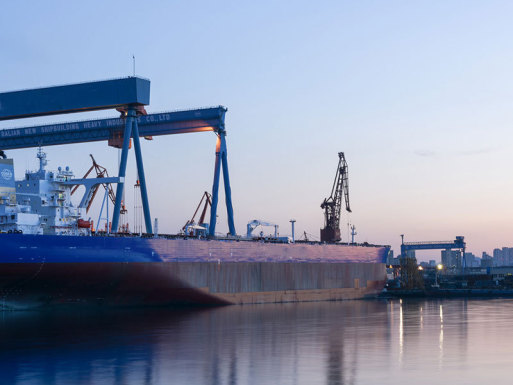
The physical properties and classification of the welding process are achieved through heating or pressure, or a combination of both, with or without filling materials to achieve atomic bonding in the welded part. Welding is a process method for connecting metal materials. The essence of the welding process is to use heating or pressure to firmly connect separated metal materials through the binding and diffusion of metal atoms. The characteristic of welding technology is that welding plays a very important role in modern industrial production. It is particularly advantageous in manufacturing large structures or complex machine parts because it can be used to prepare blanks by reducing size and complexity into simplicity, and then assembled and welded step by step, which is difficult to achieve with other process methods.
-
Calculating tonnage by volume: The total tonnage of a ship is completely independent of its weight and is calculated based on its volume It calculates 1 ton based on either 100 cubic feet in the imperial system or 2.83 cubic meters in the metric system, and the results are the same for both So there is no difference between metric and imperial systems for total tonnage. Its calculation method is to measure the volume of the enclosed space in each part of the ship. If measured in feet, the total volume is divided by less than 100; If measured in meters, the quotient obtained by dividing by 2.83 is the Gross tonnage of the ship. Gross tonnage plays an important role in various tonnages of ships because it is used for ship registration, statistics, etc. After calculating the gross tonnage based on the central ship, the driver's cab, engine room, and other equipment or work needs on board are subtracted, which means that any space available for loading goods, passengers, etc
-
Ship navigation resistance refers to the force acting on the hull of a ship to prevent its movement during navigation. Including air resistance and water resistance. In general civilian ships, air resistance is only 2% to 4% of the total resistance. Water resistance includes two parts, one is the additional resistance experienced by rudders, shafts, and keel structures protruding outside the hull; The second is the resistance experienced by the hull itself, namely naked resistance. Additional resistance generally accounts for only 3% to 10% of the total resistance
-
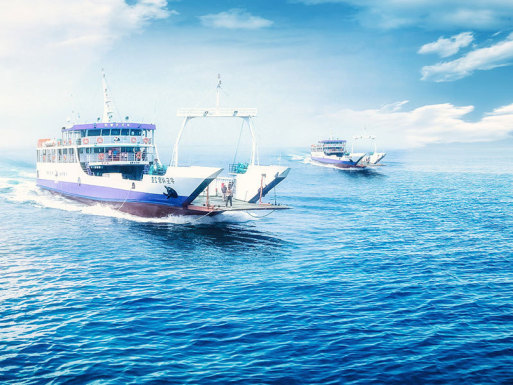
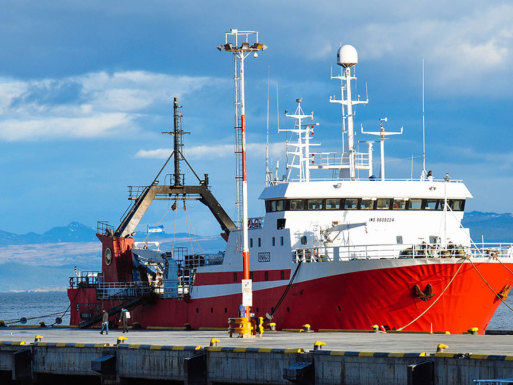
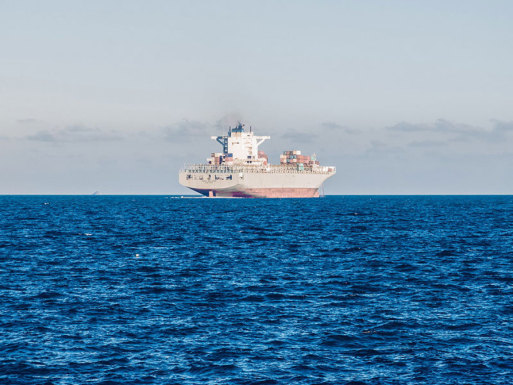
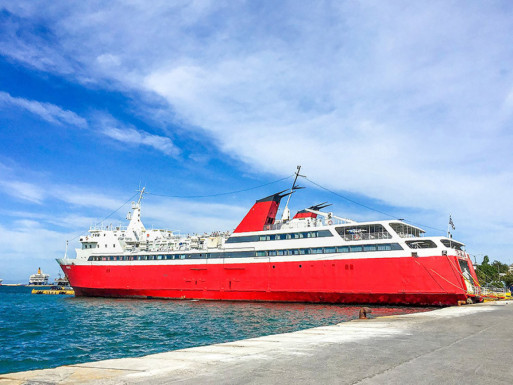
The types of ships include passenger ships, cargo ships, engineering ships, fishing boats, speedboats, etc. 1. Passenger ship: A passenger ship is a vessel specifically designed to transport passengers and their luggage and mail, often on scheduled voyages. 2. Cargo ship: a vessel primarily used for transporting goods and carrying up to 12 passengers, such as oil tankers, bulk carriers, container ships, etc. 3. Engineering ship: An engineering ship is a vessel specialized in carrying out certain types of water or underwater engineering. It is equipped with a complete set of working machinery to complete specific tasks, such as waterway assurance, port operations, water conservancy construction, offshore construction, rescue and salvage, etc. 4. Fishing boat: A fishing boat is a vessel used for catching and harvesting aquatic animals and plants. This also includes some auxiliary vessels for modern fishing production, such as those used for aquatic product processing, transportation, aqu
-
Maintenance tips for fiberglass speedboats: Fiberglass is a popular type of speedboat among tourists. During peak travel periods or weekends, fiberglass carries more people. Therefore, regular maintenance of fiberglass is essential. Only by doing a good job in daily maintenance can the service life of fiberglass be extended. Fiberglass speedboats need to be washed and polished before being launched, but for speedboats that have been in use, it is necessary to ensure that they are polished once every three months. In addition, if the pedal boat cannot be used in winter, it is necessary to wash and polish the boat before covering it with a boat cover. In order to avoid cracks on the hull due to temperature changes, Vaseline should be applied to the surface of the hull after washing and polishing. When the boat is restarted, attention should also be paid to cleaning the boat and the Vaseline applied
|
|